

Q&A with Victoria Junior Field Hockey Association’s Junior League technical director Ali Baggott
VICTORIA, British Columbia — The Victoria Junior Field Hockey Association’s Junior League provides a recreational opportunity for participants aged 5-18 of all skill levels to learn and play the sport of field hockey, one of the world’s largest team sports played around the world outside of North America. The focus is to offer an experience where participants have fun, learn fundamental movement and fundamental field hockey skills, while making new friends and being physically active. We spoke with Ali Baggott, the Association’s Technical Director since 2013, about the program.
Tell us about the Victoria Junior Field Hockey Association’s program?
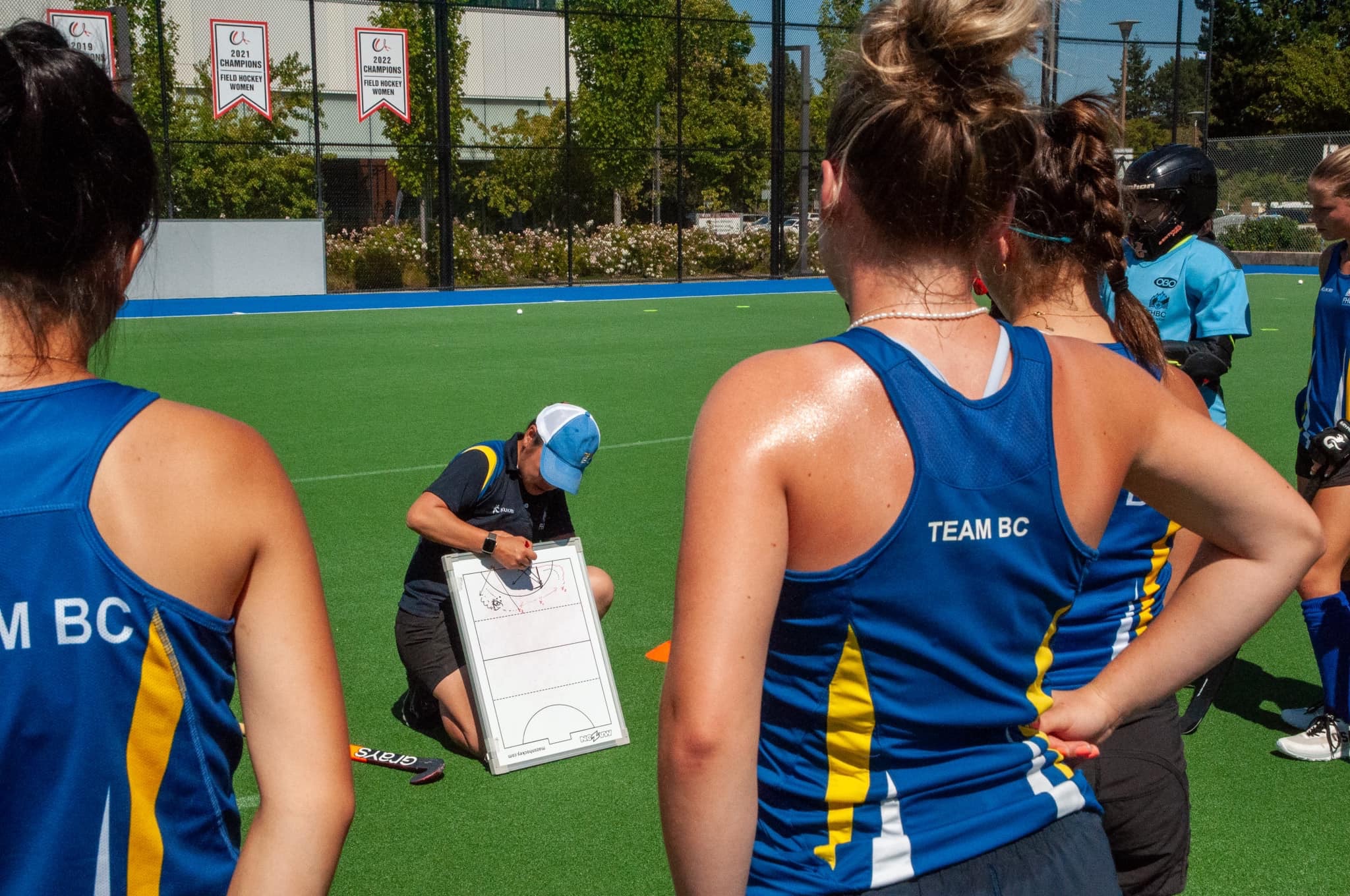
Ali Baggott: The Victoria Junior Field Hockey Association is a recreational youth program for participants aged 5-18 to learn and play field hockey. It is a program that I grew up in and it has evolved into a program with over 400 participants every year. We run 10 weeks of programming from April to June each season.
What is the philosophy behind the program?
Baggott: We strive to have an equitable experience with balanced teams, which means we have no tiering. Our coaching philosophy is participant centered. All coaches are given practice plans for each of the 10 weeks and are expected to follow that, so week after week, you should look out across the field and see everyone learning the same things at the same time.
We pride ourselves in building age-appropriate development. For example, ages 5-12 focus on fundamental movement skills as a foundation of their learning.
The league has been around for decades and is the only entry-level opportunity for youth to learn the sport in Victoria outside of any school programs. Every year our divisions fill up and we are grateful for the community for spreading the word.
Who are the coaches?


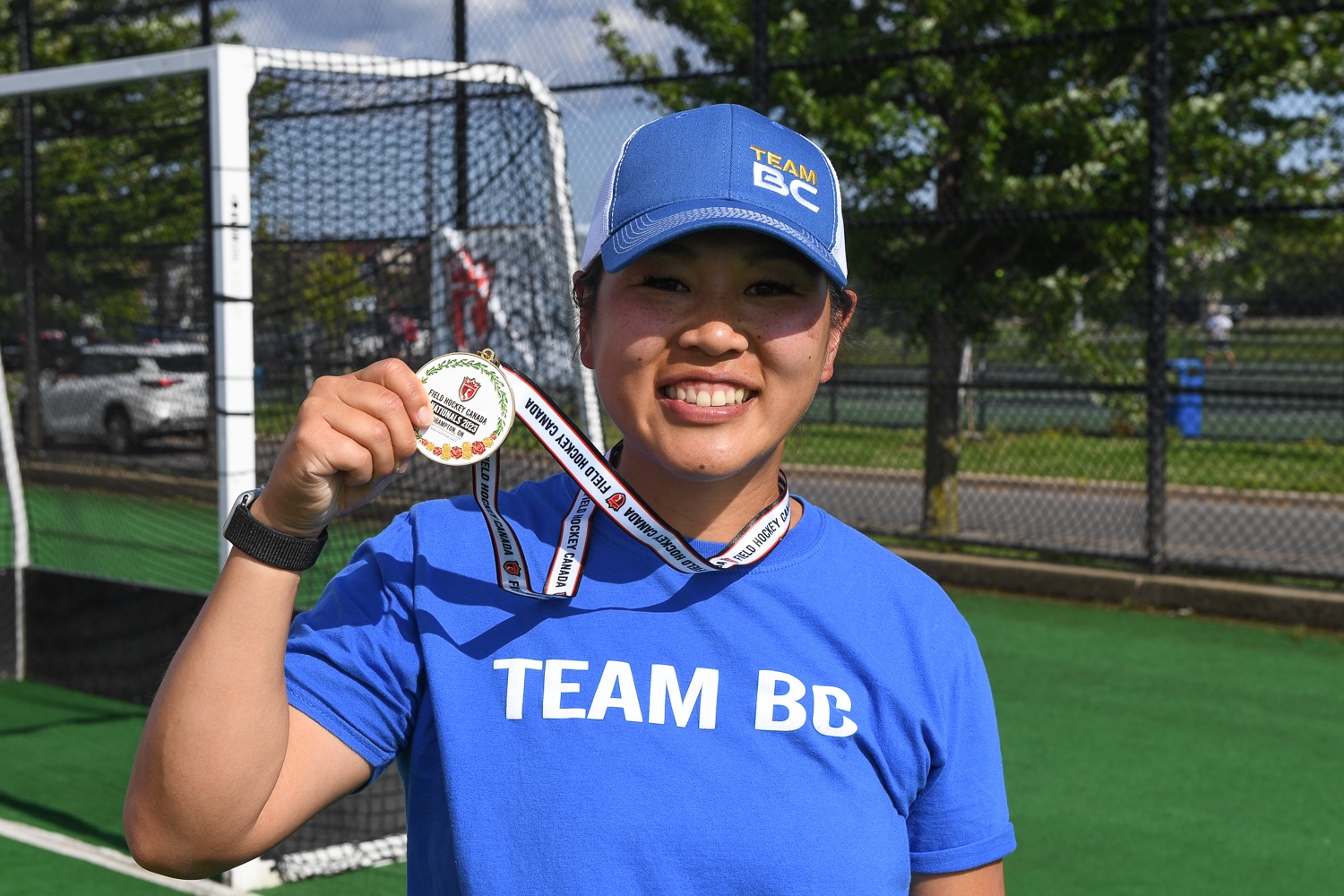
Baggott: We are completely volunteer run – from the board to the operations to the coaching staff. We pride ourselves in providing a safe, inclusive and welcoming environment and we have a few unique features in that over 80% of our coaching staff (over 100 volunteers) are women and many of them are in university or even high school. We also are fortunate to not have to rely on that many parent coaches which provides a balanced experience for our participants.
What are the club’s goals for this year?
Baggott: This year, our goals are to maximize participation at all levels. This year also saw us expanding our U16 and U18 divisions to be gender neutral, meaning participants in those age groups are all mixed together. It’s been really successful since we typically have more female-identifying participants in most of our age groups. We are also working hard to ensure all our coaches are appropriately trained and certified, while also having a “Master Coach” at each session to provide feedback and support to the coaches. We strive to have a 1:4 coaching ratio at most of our youngest divisions from U6 to U12.
Does your program have any unique characteristics?
Baggott: Our program is unique because of the dominance of female participants, coaches and volunteers involved. Many young girls who don’t find success in other sports or who have a lack of confidence in their physical abilities often find success and joy from participating in our programs. We hear time and time again that we don’t put pressure on players to play 12 months of the year, commit to academies, be split by skill level that they face at earlier and earlier ages in sports like soccer, ice hockey and basketball. Our sport is really balanced and about participation and growing the game. Overall, we focus on FUN and that is what we hear from the families.



What do you think motivates the players in the league?
Baggott: I think we get a lot of participants at a young age who don’t have the competitive mentality to commit or keep up with the intensity of other major sports. We provide an equitable experience, so there is less of a skill gap from team to team. This allows participants to enjoy themselves, learn and grow in a safe and welcoming place. I hope that players are motivated by the joy they feel when being on the field and from meeting new friends and learning something together. It’s also a tougher sport to learn so the skill gap is smaller from player to player and that equalizes the level of play and, ultimately, makes more player successful.
What would you tell someone interested in joining your Association?
Baggott: I would say that we know where we fit in the food chain of youth sports. We know we are not always the ‘first option’ on the list but when people do choose us, they quickly see the benefits of our organization, our community and the sport. Victoria is one of the biggest hot spots for field hockey in Canada thanks to the wonderful partnerships we have the with the UVic Vikes women’s field hockey program and local adult leagues. The community works together and not against each other, and we have no programs running for profit. That really gives life to the landscape of our sport because everyone involved only wants to grow participation and share the love the sport. It’s literally a game for everyone!
Thank you, Ali!
This is an unedited user writing submission. The views, information, or opinions expressed in this article are solely those of the author and do not necessarily represent those of Best Version Media or its employees.